Madrid in 7 Days: A Personal Guide to Sights, Food and Experiences
In Short
Madrid is an artistic, bohemian and noisy city with imposing churches, a monumental Royal Palace and some of Europe’s most important art museums. Classical art exists alongside modern and immersive exhibitions, vintage shops, lively markets and neighbourhoods that remain awake until the early hours.
Seven days give you enough time to see Madrid’s main attractions, explore different neighbourhoods, attend a flamenco performance and set aside a day each for Toledo and Segovia. You do not have to rush constantly between the obligatory tourist sights and can leave time for food, wine and unexpected discoveries.
How Many Days Do You Need in Madrid?
For a first visit, I would recommend at least four full days. This is enough time for the Royal Palace, the Prado and Reina Sofía museums, Retiro Park, the bohemian neighbourhood of Malasaña and the main sights in central Madrid.
A full week is an even better option. You can spread the museums across different days, avoid spending all your time indoors and include day trips to Toledo and Segovia.
Our programme combined:
- classical and contemporary museums;
- historical landmarks;
- modern and immersive exhibitions;
- flamenco;
- markets and restaurants;
- shopping and rooftop bars;
- day trips by train to Toledo and Segovia.
What to See in Madrid in 7 Days
Madrid has enough attractions for a stay much longer than one week. Instead of trying to see everything, choose places that match your personal interests.
Our strongest impressions came from the imposing beauty of the Royal Palace, the classical art at the Prado, where famous works by numerous Renaissance masters are displayed, Picasso’s Guernica at the Reina Sofía, Gottfried Helnwein’s unusual and provocative Mundos Invertidos exhibition at SOLO Independencia, and the unique and unforgettable interactive experience at the Balloon Museum.
Museo Nacional del Prado
The Prado Museum is essential, but do not try to see the entire collection in a single visit. Choose in advance which works by Velázquez, Goya, Bosch, El Greco, Rubens and Titian you most want to see.
For a first visit, allow at least three hours. If you are interested in art, even four hours can pass almost unnoticed.
Two hours may be sufficient if you use the free-entry period at the end of the day and do not spend too long in front of each masterpiece. That is easier said than done because many of the paintings are enormous, impressive and constantly draw your attention.
Tip: The largest crowd is usually gathered in front of Hieronymus Bosch’s The Garden of Earthly Delights. If the painting is of particular interest to you, explore it online first, read about it and note its specific details, then look for just those elements on site.
Museo Reina Sofía
The main reason many people visit the Reina Sofía is Pablo Picasso’s famous monumental painting Guernica. The work has a much stronger impact when viewed together with the sketches, photographs and other exhibits that explain its historical context.
Allow time for Salvador Dalí, Joan Miró, Juan Gris and other important representatives of 20th-century Spanish art.
SOLO Independencia
SOLO Independencia is a more intimate and unusual contemporary art space. The exhibition Helnwein: mundos invertidos combines hyperrealism, pop culture, images of childhood, violence and historical trauma.
This is not easy or comforting art, but it was among the exhibitions that left the most lasting impression on us.
Matadero Madrid: From Municipal Slaughterhouse to Contemporary Art Centre
For genuine fans of art in all its forms, I would also recommend Matadero Madrid.
Matadero Madrid is one of the city’s most interesting locations for contemporary, experimental and digital art. The complex was built in the early 20th century as a municipal slaughterhouse and livestock market. In 2007, it reopened to the public with a completely new cultural function, providing spaces for contemporary exhibitions, performances, theatre productions, screenings, festivals, workshops and immersive experiences.
Royal Palace of Madrid
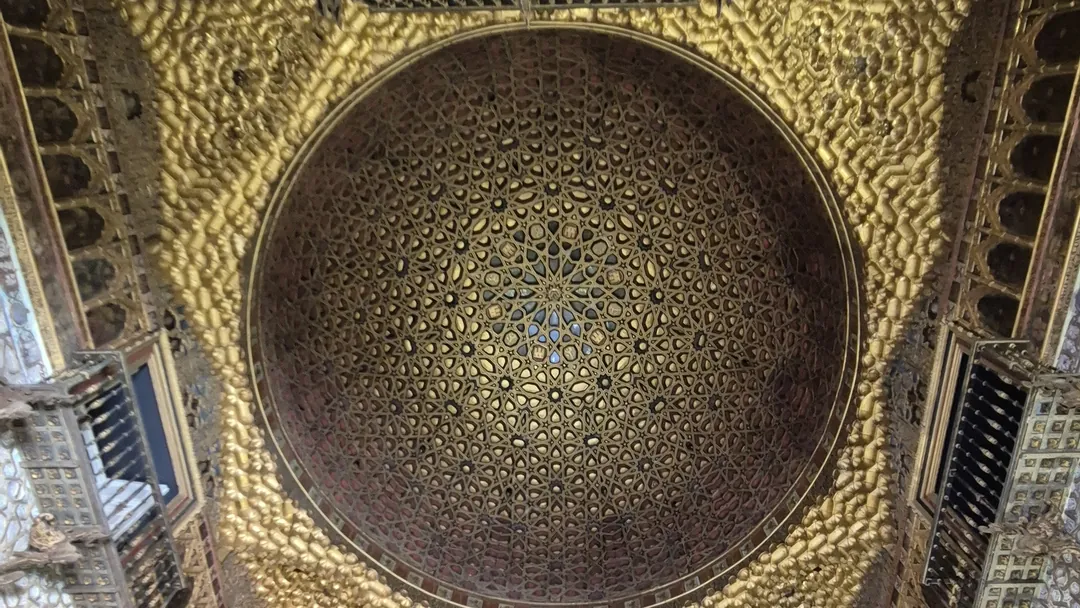
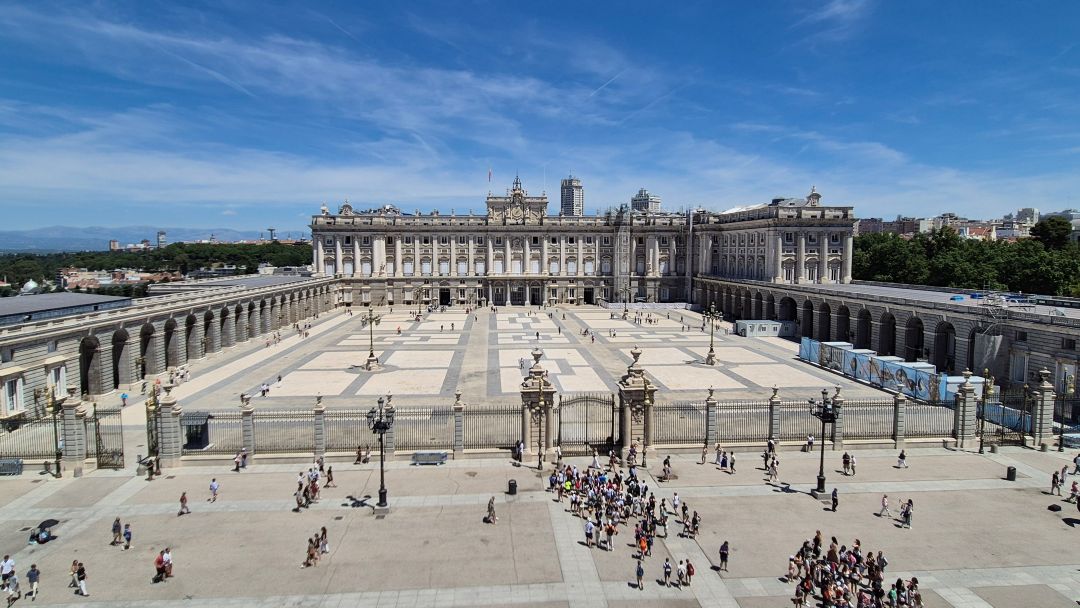
The Royal Palace of Madrid is impressive for its scale, ceremonial rooms and lavish decoration. The Spanish royal family no longer lives there permanently, but the palace continues to be used for official events.
Check the opening hours immediately before your visit, as access may be restricted during state ceremonies.
See also my personal comparison of the Alcázars in Toledo, Segovia and Seville and the Royal Palace of Madrid.
Balloon Museum | Euphoria Madrid
The Balloon Museum is the opposite of a traditional museum where you observe works of art from a distance. Here, you move through large-scale inflatable installations, participate in the experience and sometimes quite literally sink into the artwork.
It is suitable for families, teenagers and adults who are not afraid to play and have fun. For us, it was the most entertaining experience in the entire ranking.
Parque de El Retiro
Retiro Park is a good choice for a walk combined with a visit to the Prado or Reina Sofía. The park is extensive, and a visit can take anywhere from an hour and a half to half a day, depending on your route.
Palacio de Cristal remains closed for restoration, although it can still be viewed from outside. If the Crystal Palace is your main reason for visiting Retiro, it is useful to know this in advance.
You can find our detailed personal ranking, including admission prices, recommended visiting times and the most important museum rooms, in the article “10 Madrid Attractions: A Personal Ranking with Prices and Practical Tips.”
Other Interesting Things to Do in Madrid
Flamenco at Teatro Flamenco Madrid
We chose Teatro Flamenco Madrid at Calle del Pez 10 for our flamenco experience. The venue is relatively small, and its proximity to the stage allows you to see the details of the movements and the interaction between the dancers, singers and guitarists.
The performance lasts approximately one hour and can easily be combined with dinner in Malasaña.
A Tuk-Tuk Tour
Tuk-tuks, three-wheeled pedal vehicles assisted by electric motors, can be found around Mercado de San Miguel and other central tourist locations. Before getting in, clarify whether you want a panoramic sightseeing tour or transport to a particular attraction.
Agree on the duration, route and total price for the vehicle in advance. Do not assume that the first price offered is necessarily final.
Royal Botanical Garden
Real Jardín Botánico is located next to the Prado and is a good choice for a peaceful walk. It is also suitable for filling an hour of free time after checking out of your accommodation when it is still too early to leave for the airport.
The garden offers both sunny and shaded paths with benches where you can rest from the intense summer heat. A visit can be combined with the Prado, Retiro or Atocha railway station.
Shopping in Madrid
Primark on Gran Vía
Primark is inexpensive, enormous and almost always crowded. Some of the merchandise looks like typical mass-market production, but the space itself is organised almost theatrically, with high ceilings, music, lighting and a constant flow of people.
It is interesting to see, but I would not recommend it for a calm and relaxing shopping experience.
Vintage Shops in Malasaña
Malasaña is one of Madrid’s best neighbourhoods for vintage stores, small boutiques and unusual finds. Not every shop sells genuine vintage items, so it is worth looking carefully.
The neighbourhood is also ideal for combining shopping with coffee, lunch or an evening drink.
Calle de Fuencarral
For me, Calle de Fuencarral is more pleasant for walking and shopping than spending hours inside El Corte Inglés. The street is pedestrianised, has an enjoyable urban atmosphere and brings together international chains, Spanish brands and smaller shops.
Look for local Spanish labels with interesting designs and relatively reasonable prices. This is a more rewarding part of shopping in another country than visiting the same international brands available everywhere else.
Mercado de San Antón Instead of Mercado de San Miguel
Mercado de San Miguel is one of Madrid’s most touristy and, in my opinion, overpriced places. The crowds are large, moving between the stalls is difficult and finding a seat often becomes a challenge.
Mercado de San Antón is a calmer alternative. Arrive at approximately noon, when the stalls begin opening but the space has not yet become overcrowded.
The market offers a varied selection of Spanish and international food, artistic design, more seating and a rooftop restaurant.
Rooftop Bars in Madrid
Almost every travel influencer recommends visiting a rooftop bar in Madrid. At the most popular locations, however, you either need a reservation or have to wait in a queue.
Do not assume you will secure a good table immediately before sunset without planning ahead.
My recommendations are:
Terraza The Hat Rooftop
Terraza The Hat has an informal atmosphere and does not require special clothing. It is suitable for a relaxed drink after walking around Plaza Mayor.
The Mint Roof
The Mint Roof is located on Gran Vía and has a more elegant atmosphere. There is no official dress code, but you can wear something slightly more special.
From the queues outside some of Madrid’s other rooftop bars, we noticed that many visitors had made an effort with their appearance. Smart casual is a safe choice, particularly around sunset.
What Should You Eat in Madrid?
Spanish cuisine is not limited to paella and jamón. In Madrid, you can try dishes from different regions of Spain as well as local specialities.
Some of the foods worth trying include:
- Jamón de bellota 100% ibérico – Spain’s finest category of cured ham. It may be compared loosely with prosciutto crudo or other traditionally cured hams, but I personally find it much more delicious and without the heavy aroma associated with some aged meats.
- Huevos rotos – literally “broken eggs.” These are usually fried eggs served over fried potatoes and combined with jamón or seafood.
- Gambas al ajillo – prawns cooked in hot olive oil with garlic and, occasionally, chilli.
- Paella and fideuà – paella is prepared with rice, while fideuà uses short noodles. Both can be made with meat and seafood, only meat or only seafood.
- Cocido madrileño – Madrid’s traditional stew with chickpeas, meat and sausages. It is more suitable for colder weather.
- Gazpacho and salmorejo – both are cold summer soups based on tomatoes. Gazpacho is thinner and includes additional vegetables, while salmorejo is thicker and is usually topped with chopped egg and jamón.
- Navajas and zamburiñas – seafood that looks quite different from ordinary black mussels. Navajas are long, narrow razor clams, while zamburiñas are small, rounded scallops.
- Tortilla española – also known as tortilla de patatas or Spanish omelette. It is a thick, round omelette made primarily with eggs, fried potatoes and olive oil, often with onion.
- Croquetas – croquettes with a creamy béchamel filling, commonly flavoured with jamón, cheese, mushrooms or seafood.
- Patatas bravas – fried potatoes served with a spicy tomato-based bravas sauce and often aioli.
- Bocadillo de calamares – a traditional Spanish sandwich made with crusty white bread or a baguette-style roll filled with battered and fried squid rings. Variations may also contain prawns or octopus.
- Churros con chocolate – fried churros served with thick hot chocolate.
- Spanish wines and Cava – Spain’s sparkling wine, produced using the traditional method also used in Champagne and Franciacorta.
You can find more information about each dish and our ranking of eight personally tested places in the article “What and Where to Eat in Madrid: Spanish Food and Personally Tested Restaurants.”
Where to Stay in Madrid
We stayed in an artistic apartment in Malasaña. The location was very convenient for walking, restaurants, bars and public transport.
The accommodation had significant advantages as well as important disadvantages: it was on the fourth floor without a lift, had a steep staircase leading to the attic bed, a low ceiling and street noise.
You can read the detailed review in “Artistic Apartment in Malasaña, Madrid: An Honest Review for 4 Guests.”
I recommend booking your stay directly here. For your convenience, I have added a map box showing available rooms in hotels, apartments and other places to stay. You support the blog without paying more, and you can still use all your Genius and other discounts.
Toledo or Segovia from Madrid?
For a seven-day stay, I would include at least one day trip. We managed to visit both Toledo and Segovia.
Choose Toledo if you are interested in El Greco, medieval architecture, religious history and narrow streets. Choose Segovia for its Roman aqueduct, cathedral, Alcázar castle and the distinctive decorated façades that are characteristic of the city.
It is advisable to buy train tickets in advance, particularly if you want to travel and return at specific times. You can also go to the station and purchase a ticket for the next available train, but seats sell out quickly on Saturdays and Sundays.
Plan earlier whenever possible and do not forget to reserve your return journey.
Our Most Important Tips for a First Visit
- Reserve popular restaurants for Friday and Saturday.
- Buy tickets for the main museums in advance.
- Do not plan two enormous museums on the same day. It is tiring, and you will not be able to appreciate the art properly.
- Wear comfortable shoes and carry water.
- Protect your phone and wallet in crowded places.
- Download Google Translate and save Spanish for offline translation.
- Check the soundproofing and availability of air conditioning at your accommodation.
- Leave time for improvisation and walks through different neighbourhoods.
- Check the conditions for discounted and free admission in advance.
- Reserve a rooftop bar with a good view around sunset.
You can find more information in the separate article “Practical Madrid Travel Tips: Transport, Tickets and Safety.”
How to find all these places in Madrid?
Just tap the pins on my map and follow the directions.
Frequently Asked Questions About Madrid
Are 7 Days Enough for Madrid?
Yes. Seven days give you enough time to see the main attractions, visit several museums, explore neighbourhoods such as Malasaña and include day trips to Toledo and Segovia.
Which Museums Should You Not Miss?
Choose the Prado for classical art. Visit Reina Sofía for Picasso, Guernica and 20th-century art. For a more contemporary experience, check the programmes at SOLO Independencia, Nomad and Madrid’s current immersive exhibitions.
Which Area Is Best for a First Visit?
Malasaña is suitable for restaurants, bars, shops and active city life. Sol, Gran Vía and Austrias are very central but are generally more touristy and noisy.
Can Madrid Be Explored on Foot?
A large part of central Madrid can be explored on foot. The distances accumulate, however, so combine walking with the metro or buses when your programme includes more distant locations.
What Are the Best Day Trips from Madrid?
Toledo and Segovia are among the easiest and most interesting options. Both cities have convenient railway connections from Madrid.
When Should I Reserve Restaurants?
Make an advance reservation for Friday, Saturday, special occasions and popular restaurants. For fine dining, it is advisable to book before your trip.
Continue Planning Your Madrid Trip
You can also read the other articles in my Madrid series: 10 Madrid attractions: a personal ranking, practical Madrid travel tips for transport, tickets and safety, what and where to eat in Madrid, a review of the artistic apartment in Malasaña, Toledo from Madrid in one day, Segovia from Madrid in one day, train travel in Spain and my personal ranking of Alcázars and palaces in Spain.
Follow the blog on social media too: TikTok, Instagram, Facebook, YouTube, LinkedIn, X.