What and Where to Eat in Madrid: Spanish Food and 9 Personally Tested Places
In Short
In Madrid, you can try dishes from almost every part of Spain, from jamón ibérico and huevos rotos to seafood, paella, fideuà and thick, refreshing salmorejo. The best food experiences are not always found in the most famous tourist restaurants.
The places in this article are either close to the apartment where we stayed in Malasaña or near the attractions we visited. They are ranked in reverse order, from the place that impressed us least to our favourite food experience in Madrid.
If you would like to use a ready-made 7-day itinerary for Madrid, see also Madrid in 7 Days.
What Should You Definitely Try from Spanish Cuisine?
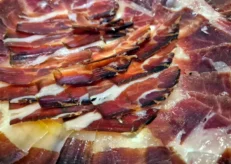
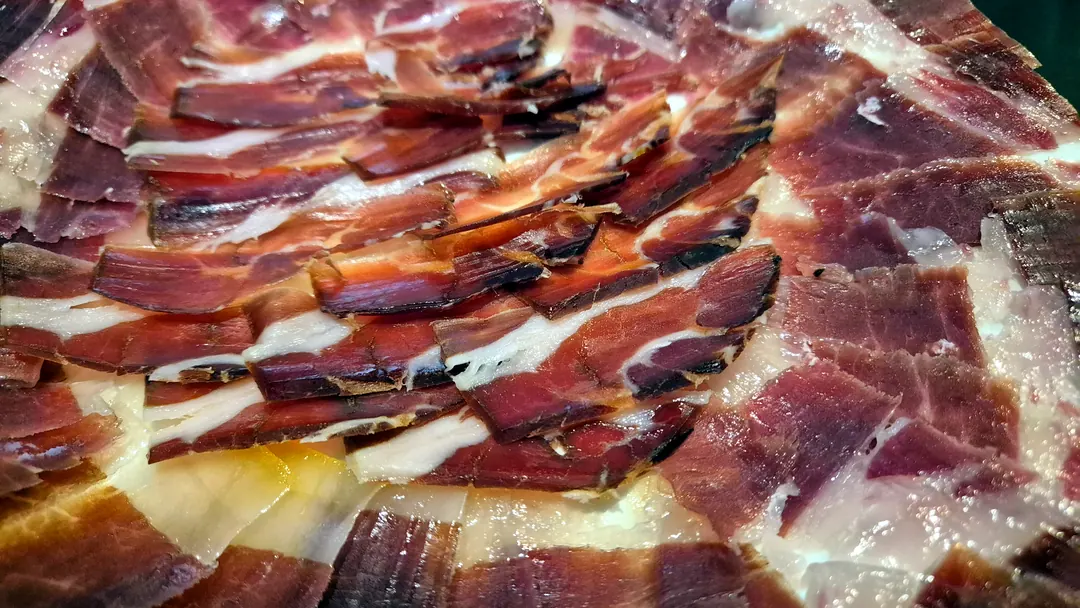
Jamón de Bellota 100% Ibérico
Not every jamón labelled ibérico is of the same quality. The highest category is jamón de bellota 100% ibérico, which is identified by a black label or seal.
The meat comes from pigs of 100% Iberian origin. During the final stage of their rearing, they roam freely and feed mainly on acorns. This diet and the free movement contribute to the delicate fat marbling between the muscle fibres, which gives the meat its distinctive texture.
High-quality jamón is sliced very thinly and served at room temperature. The fat begins to melt slightly, and the flavour lingers for a long time.
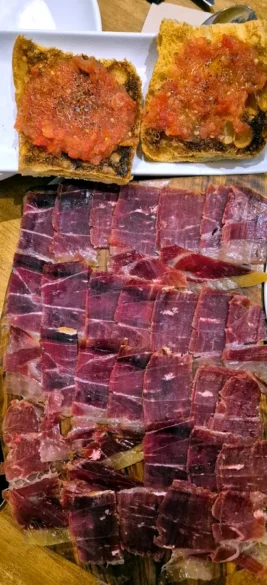
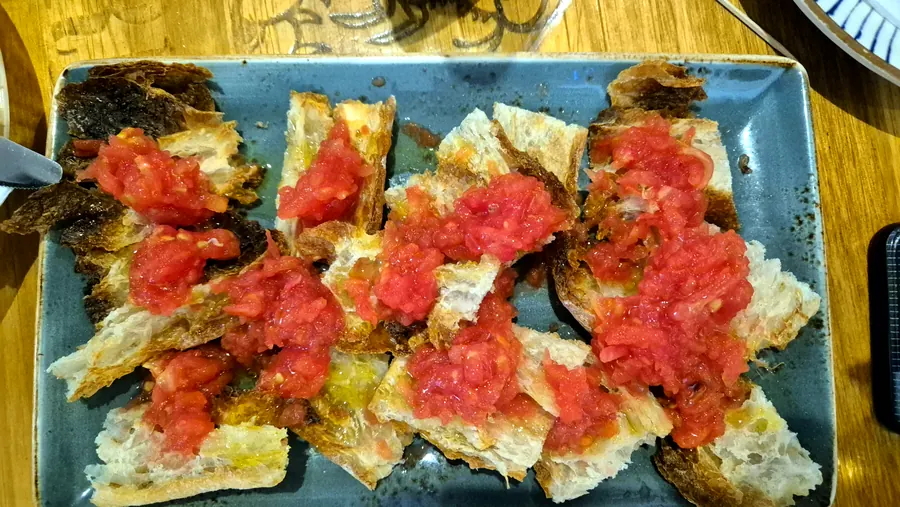
You can try it on its own or with pan con tomate, bread with tomato, olive oil and sometimes garlic. In Catalonia, you will see it as pa amb tomàquet.
Huevos Rotos
Huevos rotos is a simple but very tasty dish made with fried potatoes and eggs with runny yolks. When served, the eggs are broken and mixed with the potatoes.
There are versions with jamón, chorizo, mushrooms, prawns, octopus and other seafood.
It is a good dish for sharing, especially when your group wants to order several different things.
Gambas al Ajillo
Gambas al ajillo are prawns cooked in hot olive oil with garlic and often a little chilli. Traditionally, they are served in a small ceramic dish while the oil is still sizzling.
Do not forget to order bread for dipping into the olive oil, but be careful because it can be very hot. The aromatic garlic oil is often just as good as the prawns themselves.
Paella and Fideuà
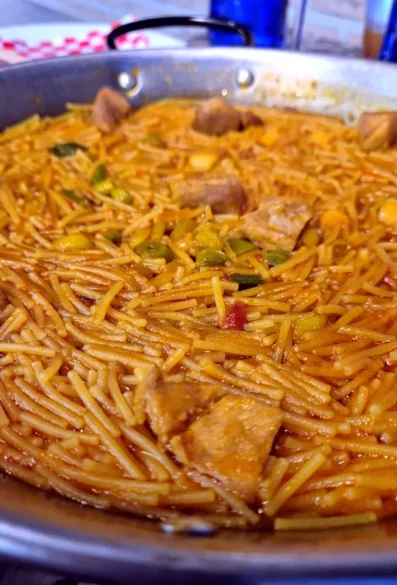
Paella is made with rice, while fideuà – with the stress on the final syllable – is prepared with short pasta similar to thin noodles. Both can be made with seafood, meat, vegetables or a combination.
These are not typical Madrid dishes, but they are offered in many places in the capital. Avoid restaurants that rely mainly on tourist photos and enormous menus listing every possible Spanish dish.
When paella is described as being “for two,” ask how large the portion is. In some places, “for two” turns out to be more like a moderate portion for one very hungry person.
Cocido Madrileño
Madrid’s traditional chickpea stew is called cocido madrileño. It includes chickpeas, vegetables, meat and various sausages.
Traditionally, it may be served in several stages:
- the broth;
- the chickpeas and vegetables;
- the meat and sausages.
This is a hearty dish, more suitable for a cool day and a serious appetite than for a hot summer afternoon.
Gazpacho and Salmorejo
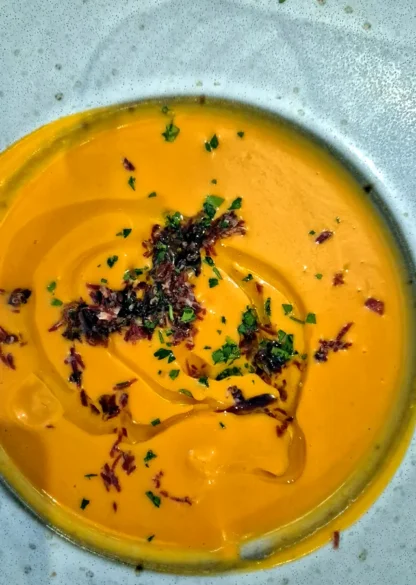
Gazpacho is a thinner and very refreshing cold soup made from tomatoes, cucumbers, peppers, olive oil and other vegetables.
Salmorejo is thicker and creamier. It is usually served with chopped jamón and boiled egg.
If you want something light in the heat, choose gazpacho. If you want a cold dish that is more filling, salmorejo is the better option.
Navajas
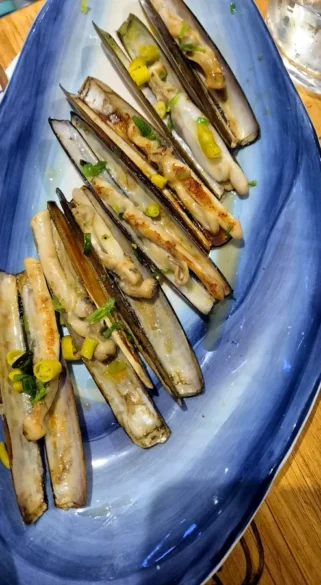
Navajas are long, narrow razor clams, and their name literally means “razors.” They are usually cooked on a griddle with olive oil, garlic and parsley.
They have a very different shape and texture from standard black mussels and are worth trying if you enjoy seafood.
Zamburiñas
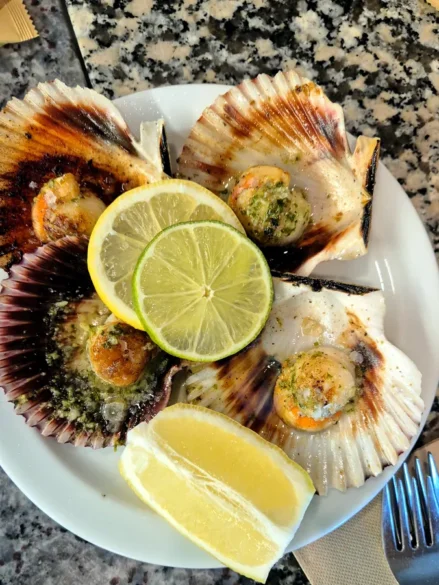
Zamburiñas are small, round shellfish with a tender texture and a rich, slightly sweet sea flavour. They are usually served in their shells, grilled or baked with olive oil, garlic, parsley and sometimes a little white wine.
They look a little like scallops, but they are smaller.
More Dishes to Look For and Try
- Tortilla española – also known as tortilla de patatas or Spanish omelette. This is a classic Spanish dish, a thick round omelette made mainly with eggs, fried potatoes and olive oil, often with onion.
- Croquetas – small croquettes, often made with ham, cheese or seafood.
- Patatas bravas – fried potatoes served with sauce. In tourist restaurants, they may appear with ketchup and mayonnaise, but the classic version usually comes with spicy bravas sauce and often aioli.
- Bocadillo de calamares – a traditional Spanish sandwich made with crusty white bread or a baguette-style roll filled with battered and fried squid rings. It may also be served with prawns or octopus.
- Callos a la madrileña – Madrid-style tripe, a traditional spicy stew from the Spanish capital. It is made with slow-cooked beef tripe, beef feet and snout in a rich sauce with chorizo, morcilla, ham and paprika.
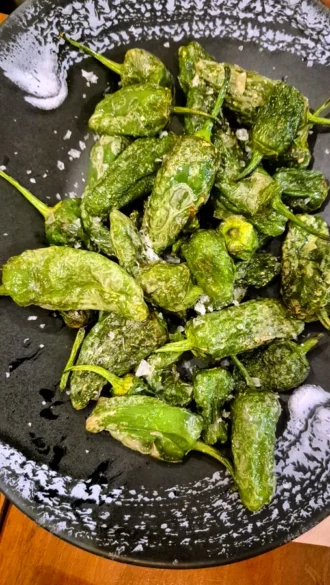
- Pimientos de Padrón – the famous small green peppers that are usually mild, although every now and then one can surprise you by being quite spicy.
- Aceitunas – small green olives.
- Churros con chocolate – churros served with thick hot chocolate.
- Tarta de queso – cheesecake.
- Helado – ice cream.
- Spanish wines – look for white varieties such as Albariño and Verdejo, red wines made from Tempranillo and Garnacha, and Cava, the sparkling wine produced by the traditional method also used in Champagne and Franciacorta.
Personal Ranking of 9 Places to Eat in Madrid
Number 8: Preciados 33
Preciados 33 offers traditional Spanish cuisine in a very central location. The location is convenient, but the restaurant has a clearly tourist-oriented feel.
The paella was not among the best we have tried. The portion was described as being for two people, but the quantity seemed relatively small to us.
Inside, the air conditioning was so strong that the atmosphere became almost icy. This can be pleasant in very hot weather, but during a longer meal it may become too much and even uncomfortable.
Best for: a convenient meal in the centre
Strongest advantage: the location
Main disadvantage: touristy atmosphere and unremarkable paella
Would I return: probably not especially for the food
Number 7: Perro y la Galleta
Perro y la Galleta was very close to the place where we stayed. The interior is artistic, original and creates high expectations as soon as you enter.
The menu, however, felt less interesting than the design. It was not bad, but it did not impress us as much as the atmosphere.
The desserts were the strongest part of the experience and were definitely worth trying.
Best for: beautiful surroundings and dessert
Strongest advantage: the artistic interior
Main disadvantage: relatively unexciting main menu and some difficulty communicating in English with the waiters
Would I return: for dessert or a drink
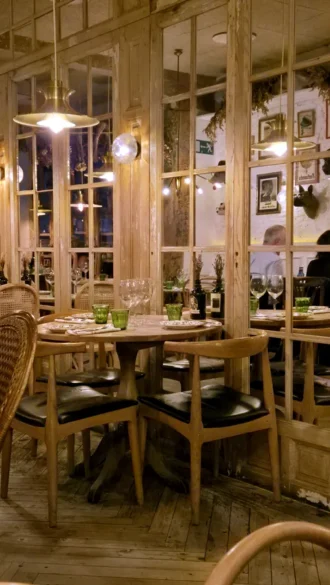
Number 6: Picholeiros de Malasaña
The food at Picholeiros de Malasaña was tasty, but the attitude of the more senior waiter was slightly unfriendly. There were also some difficulties with communication in English.
The major advantage is that the kitchen works throughout the day and does not close for siesta. This is very convenient when your sightseeing schedule does not match the typical Spanish lunch and dinner hours.
Our strongest impression was the dessert called filloas. It is a delicate pancake served with a light cream, ice cream and popping candy pieces.
During our first visit, the combination was excellent. The second time, the ice cream had been replaced with ordinary lemon ice cream, and the dessert lost part of its original charm.
Best for: food at an unusual hour
Strongest advantage: the kitchen works all day
What to try: filloas
Main disadvantage: inconsistency and slightly unfriendly service
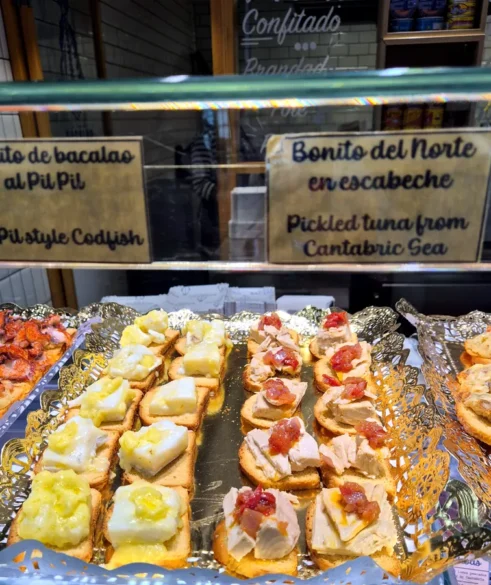
Number 5: Mercado de San Antón
Although many influencers recommend visiting and eating at Mercado de San Miguel, for me it is one of the most touristy and overrated places in Madrid. It can be interesting to see, but the crowds are large, the prices are high and seating is limited.
I prefer Mercado de San Antón. The atmosphere is calmer than at Mercado de San Miguel, and the seating area feels almost artistic, with interesting paintings on the walls. There is more space, less tourist congestion and a better chance to look around at the different food options.
Around noon, when the stalls open, the atmosphere is calm and you can explore the food without pushing through crowds.
The market offers:
- Spanish dishes;
- Spanish street food;
- seafood;
- drinks;
- desserts;
- enough seating;
- a rooftop restaurant.
This is a good choice when different people in the group want different things.
Best for: a group with different tastes
Strongest advantage: variety and seating
Main disadvantage: quality can vary between stalls
Would I return: yes
Number 4: El Minibar
El Minibar is located close to Plaza Mayor. You descend below street level to enter, which may feel unexpected at first.
In hot weather, this is an advantage. Inside, it is cooler, and the artistic interior compensates for the lack of outdoor tables and a view.
Everything we tried was very tasty, and the service was good and attentive.
Best for: a tasty dinner near Plaza Mayor
Strongest advantage: the food
Additional advantage: cool interior during summer
Would I return: yes
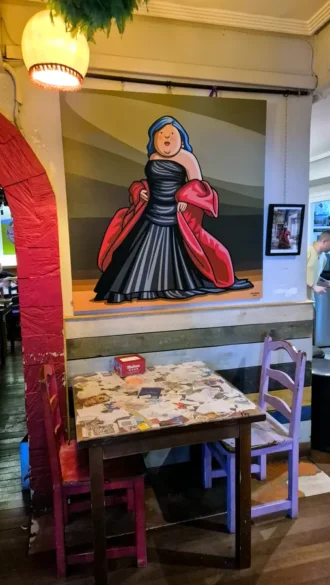
Number 3: Taberna Laredo
Taberna Laredo is located near Retiro and is clearly very popular with locals. There is a constant flow of people, and some guests eat and drink standing up.
The place is noisy, lively and cheerful. Do not choose it for a quiet romantic evening or a serious conversation.
It is better suited to people who want to feel the city’s energy, try good wine and observe how locals spend their evening.
Best for: wine and a lively local atmosphere
Strongest advantage: the wine selection, including many excellent wines by the glass
Main disadvantage: a lot of noise and crowds
Would I return: yes, but not for a calm dinner
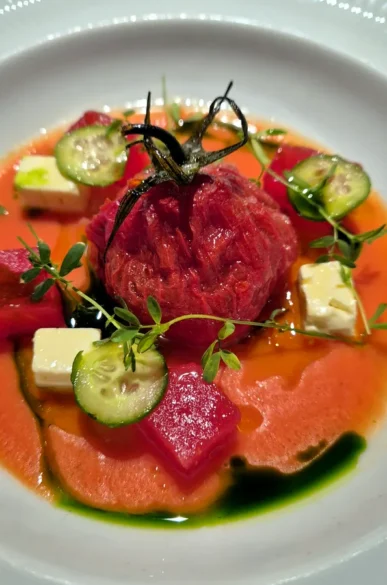
Number 2: Trèsde
Trèsde is suitable for a special occasion or for an evening when you want to treat yourself to fine dining. The quality of the food and service was impeccable.
The atmosphere is rather restrained. The interior does not try to steal attention from the kitchen, but allows the dishes and ingredients to remain the main focus.
A reservation is essential. A major advantage is that the restaurant is also open on Sundays, which is rare for some fine dining places in Madrid.
We celebrated a special occasion on a Sunday, and our options were limited because many other restaurants in this category were closed.
Best for: a special occasion and fine dining
Strongest advantage: impeccable quality and service
Important: make a reservation
Additional advantage: open on Sunday
Would I return: yes
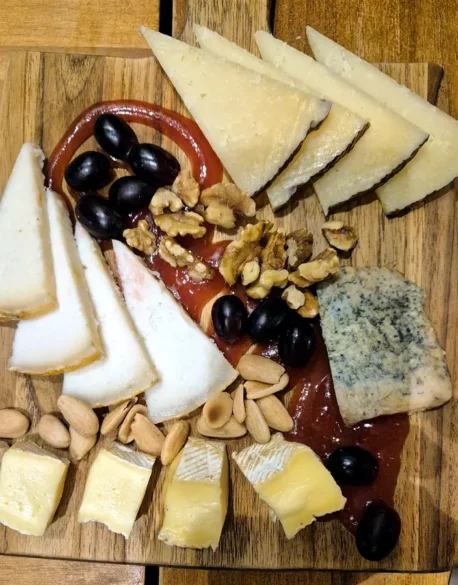
Number 1: CASA LUNA
CASA LUNA, close to Gran Vía, became our favourite place in Madrid. This is the restaurant where food, wine, service, atmosphere and reasonable prices came together best.
They offer a variety of wines by the glass, which allows you to try different styles without ordering a whole bottle. The waiters were very kind and created the feeling that guests were genuinely welcome, not just part of another tourist shift.
The food was delicious, the atmosphere artistic and relaxed, and the prices completely reasonable for central Madrid.
The place stays open late, which makes it convenient after a performance, a rooftop bar or a long walk.
You can also buy a bottle of Cava or another wine to take away at a very good price.
Best for: dinner, wine and a relaxed atmosphere
Strongest advantage: the overall experience
Additional advantages: wines by the glass, kind service and normal prices
Would I return: absolutely yes
For Coffee and Dessert: Casa Minut
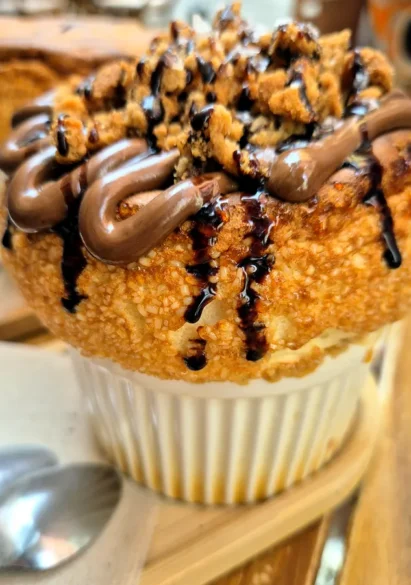
Casa Minut is located near Mercado de San Miguel and is a good choice for a real soufflé.
Here, the soufflé is prepared after you order it, rises in the oven and arrives warm and airy. This is not a chocolate fondant or a dense flan presented as a soufflé.
Preparation takes time, so do not order it if you are in a hurry to get to a museum or a reservation.
What to try: soufflé
Best for: coffee and dessert after a walk through the historic centre
Important: allow time for preparation
Practical Tips for Restaurants in Madrid
- Make reservations for Friday and Saturday.
- For fine dining, book in advance.
- Check whether the restaurant is open on Sunday.
- Do not assume that every restaurant has an English menu.
- Use Google Translate with the camera function.
- Ask whether the seafood price is per portion, per piece or by weight.
- Check whether paella “for two” is actually enough.
- Do not dismiss places without a terrace.
- Do not expect all kitchens to work all day.
- Be careful with overly large tourist menus.
How to get to all these places?
Use this map, specially created by placescases.com for your convenience.
Where to Stay in Madrid
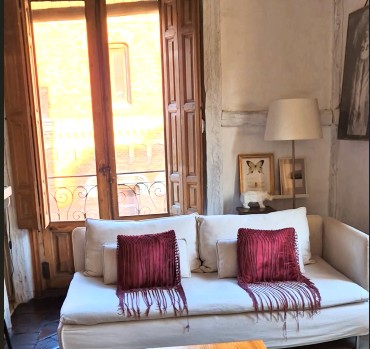
We stayed in an artistic apartment in Malasaña. The location was very convenient for walking, restaurants, bars and public transport connections.
The place itself had serious advantages as well as important disadvantages: a fourth floor without a lift, a steep staircase leading to the attic bed, a low ceiling and street noise.
You can read the detailed review in the article “Artistic Apartment in Malasaña, Madrid: Review of a Place for 4 People.”
I recommend booking your stay directly here. For your convenience, I have included a box with a map showing available rooms in hotels, apartments and other accommodation. You support the blog without paying more, while still using all your Genius and other discounts.
Frequently Asked Questions
What Is the Most Typical Dish in Madrid?
Cocido madrileño is among the most characteristic local dishes. Bocadillo de calamares, huevos rotos and callos a la madrileña are also popular.
What Is the Highest-Quality Jamón?
The highest category is jamón de bellota 100% ibérico, identified by a black label or seal.
Which Market Is Better: San Miguel or San Antón?
Mercado de San Miguel is more famous and touristy. Mercado de San Antón is calmer, has more seating and is more convenient for a normal lunch.
Should I Reserve Restaurants?
For Friday, Saturday, a special occasion and popular restaurants, yes. For fine dining, a reservation is usually essential.
Where Should I Eat Near Plaza Mayor?
El Minibar is a good choice for tasty food and an artistic atmosphere. Casa Minut is suitable for coffee and soufflé.
Where Can You Drink Wine in Madrid?
Taberna Laredo is a lively wine bar popular with locals. CASA LUNA offers a variety of wines by the glass in a more relaxed atmosphere. In general, even very unpretentious restaurants in Madrid usually offer several excellent wines by the glass.
What Was Our Favourite Place?
CASA LUNA was our favourite because of the combination of tasty food, wines by the glass, kind service, artistic atmosphere and normal prices.
To continue planning your trip
You can also read the other articles in my Madrid series: Madrid in 7 days: a personal guide, 10 Madrid attractions: a personal ranking, practical Madrid travel tips for transport, tickets and safety, a review of the artistic apartment in Malasaña, Toledo from Madrid in one day, Segovia from Madrid in one day, train travel in Spain and my personal ranking of Alcázars and palaces in Spain.